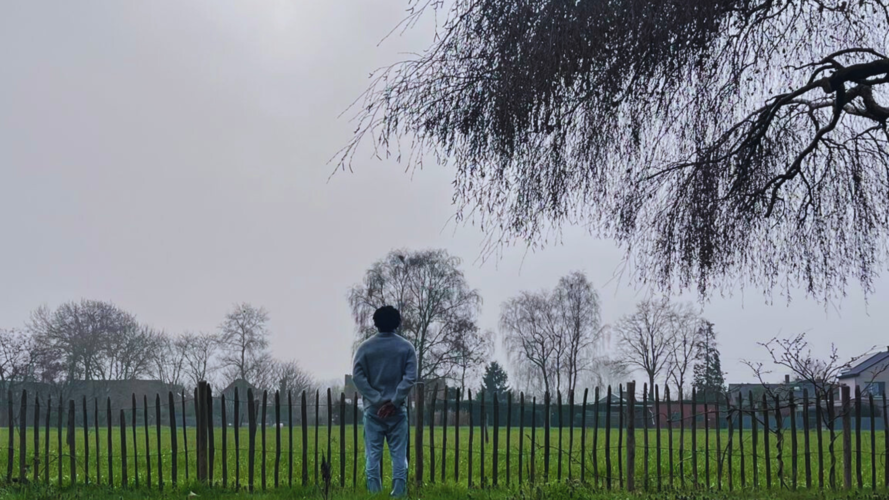
She looked at me and I saw despair in her eyes. The next words she uttered were along the lines of: “The way you behave and everything that you do is so cringe.” I had never heard that word before, I had no idea what it meant and the weight it carried, but when she said it, I knew I had to stop doing what I was doing and let her be.
The word “cringe” has become one of the most casually used terms in modern culture. It is often spoken without thought, consequence, or accountability. Yet behind its simplicity lies a deeper question that deserves serious examination. Who decides what is cringe, and why do we allow that judgment to limit the way others live?
In my humble opinion, the label “cringe” is less about behaviour and more about insecurity. It is frequently used by individuals who feel constrained by social expectation, fear judgment, or lack the freedom to live authentically. So rather than confronting those internal limitations, rather than fighting their demons and healing their traumas, they project their discomfort outward, using the word “cringe” to police the behaviours of others.
And if you think about it, those being labelled “cringe” are not actually doing anything harmful. They have simply decided to wear their trousers at the waist and add a belt for good measure; to keep a neat, low haircut when everyone else is rocking dreads; to be early for school and all activities when society sees lateness as cool; to study hard and pass all their exams when the kid who can barely construct a sentence is considered the cool one. They show affection in public, express joy openly, or simply exist without shame. We fail to understand that people do enjoy living their lives the only way they know how, and society does not need to be so insistent on suppressing others by inventing a term that does not protect social harmony, but seeks to erode it from its roots.
The consequences of labelling someone “cringe” sometimes go far beyond our imagination, and instead of masking our ignorance with the phrase “it’s not that deep,” I implore you to read and research it. Research in psychology and sociology has shown that social rejection, ridicule, and chronic shame are strongly associated with anxiety, depression, and suicidal ideation. Persistent social invalidation, especially during adolescence and young adulthood — significantly increases the risk of self-harm. So while you might think “it’s not that deep,” people who are constantly exposed to such judgments begin to believe that their natural way of living is no longer accepted in their own society. And in the absence of a solution, they begin to disappear. Sometimes socially. Sometimes emotionally. Sometimes permanently.
So I believe it is not an exaggeration to say that societal cruelty of any form may indeed have dire consequences.
So my message is to the “cringe”. The people calling you cringe often wish they had your freedom. They wish they could laugh without constraints. They wish they could move without self-surveillance. They wish they could exist without editing themselves in search of public approval. So don’t let them drag you down to their level. They are trapped in a mental cage, and they want to shame you back into the cage they live in. Don’t allow it. If you want to laugh, laugh. If your talent is singing, sing. If it is dancing, dance. Because nobody knows what you have been through, and you owe no one an explanation. As long as you are not harming anyone, you have the right to live freely and visibly.
Because if being cringe means being human without permission, then perhaps the problem is not those who are cringe, but the culture that has forgotten how to let people live.
In a world that already asks us to shrink, who truly benefits when we shame people for taking up space?.