Life is a journey through emotions, relationships, choices, and transformations. It is a mystery that constantly unfolds but is rarely understood in full. It is a story written in moments and memories, whether good or bad. life is also a mirror reflecting who we are and what we believe in.
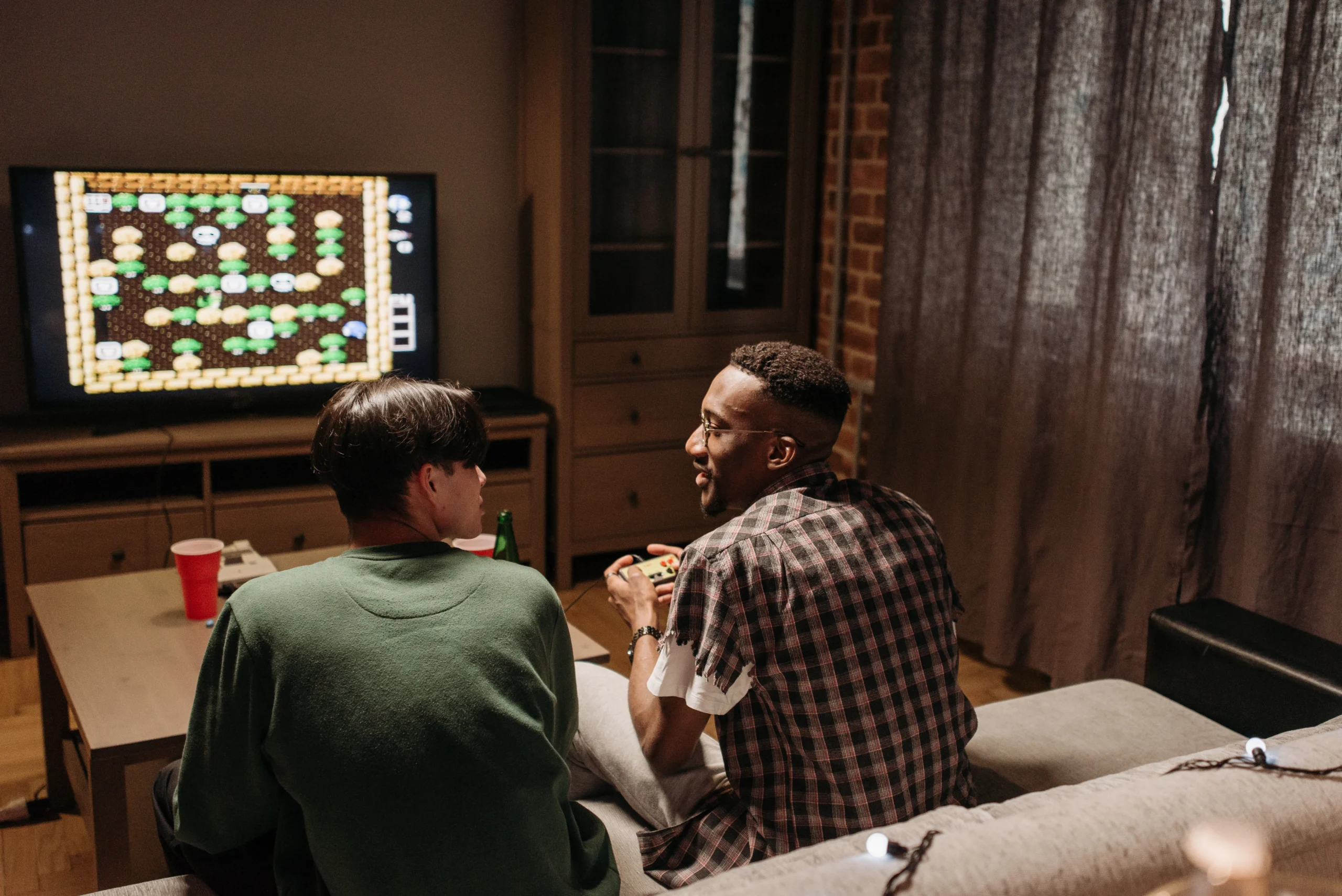
These definitions, or something similar, is likely what you’d hear from scholars worldwide when they attempt to define life. And they’re all correct. However, I have one more definition: I believe life is a game.
When we are born, we have nothing to worry about. We are fed, clothed, and sheltered by those we call our parents (in most cases). We have nothing to think about and are free from major mistakes. This is what I call the TUTORIAL.
When you open a video game, you’re given the opportunity to take a tutorial, to learn how to navigate the interface, try out various things, and rest assured that your mistakes carry no consequences. You are free from condemnation; you can do as you please, but the goal is to learn a thing or two along the way. That’s exactly how life feels when we are in our Teens. The phrase “He/she is just a child” grants us a free pass.
Soon enough, however, the tutorial ends, and we must make a decision about what our lives will look like. There are different paths we can take:
- Do we humble ourselves and begin from the Beginner’s level, with every intention to grow?
- Do we skip to the Professional’s level, thinking we already know enough to tackle this stage?
- Do we jump straight to the World-Class stage, believing that conquering it early will set us up for life?
The choice we make at this stage will shape the rest of our lives. Some are ready, Some used the tutorial to truly understand how the game is played. Some tried but gave up. Others were simply happy to participate, they learned nothing. But none of that matters now. We were all supposed to learn and prepare ourselves for the decision we now face.
This reality separates us into three groups:
- The Wanderers — Experience is the main factor here, no sense of urgency, but curiosity and discovering meaning through movement.
- The Sprinters — The more actionable type, ambitious and learning through momentum.
- The Builders — Understands through preparation and reflection, obsess with building for the future
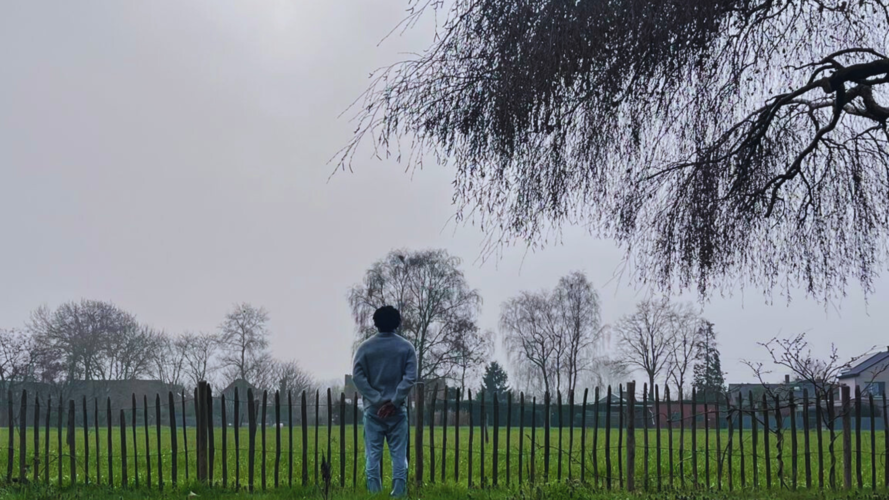
The Wanderers
“Life is meant to be enjoyed, right? I have all the time in the world to figure things out.”
That’s what many tell themselves. There’s no rush. We all know people who are technically adults but still carry a childish mentality. We often say, “They’ve got some growing up to do.” They’re old enough, sure but not quite grown. These are the people who never truly left the tutorial stage of life. They didn’t realize those golden childhood years would eventually end. They were lost in the bliss: late nights, bottles of Heineken, and not a single thought about what tomorrow might bring.
These people appear free, not because they’ve chosen freedom, but because they’ve never truly understood the weight of adulthood. They stayed in their comfort bubble, shielded from responsibility. And in a way, that’s understandable. Who wouldn’t want to be free from deadlines, bills, and the emotional exhaustion that comes with growing up? It sounds like a dream. But society doesn’t see it that way. It sees your age, not your mindset. And when you’re seen as an adult, expectations follow: pay your bills, take responsibility, make progress, act maturely.
But they see something others miss, which is, life is not meant to be completed but experienced. Yes they don’t always have a plan and choose to follow curiosity and moments and feelings and opportunities. But what people fail to see is that wanderers remind us to not take everything so seriously, to try new things and not turn life into as checklist of activities.
Takeaway: There are always two sides of a coin, and on the other side of the wanderers coin, to much movement can become avoidance, as too much freedom can become drifting from reality. So there comes a time when you ask yourself, “what is it that I really want” we all need a sense of direction and for the wanderer, using all the experience gotten from being curious to chose what deserves your attention and sticking to it, is key.
The Sprinter
“Why wait until I’m ready? I’ll figure it out as I go.”
Not everyone who leaves the tutorial does so with a plan. Some leave with a fire. These are the Sprinters — people who felt the weight of possibility and decided the only way forward was to run straight at it.
During the tutorial, Sprinters were paying attention. They saw the gap between where they were and where they wanted to be, and it bothered them. While others were still warming up, Sprinters were already moving. They aren’t afraid to begin. They aren’t afraid to fail publicly. What they struggle with is slowing down long enough to understand what they’re actually running toward.
They are obsessed with the now. Why prepare when you can do it today? Why wait for the right moment when momentum itself is the plan? And there is something genuinely admirable about that, because in a world full of people who are always getting ready, Sprinters actually begin. They take the leap before they feel ready, and more often than not, that courage creates opportunities no amount of planning could have predicted.
But in life, just like in games, moving too fast has consequences. You can skip the early levels, sure. But when you reach the boss stages like heartbreak, failure, grief and identity crises, you’ll realize you never built your stats. You didn’t sharpen your mind. You didn’t grow your soul. The Sprinter gets far fast, but sometimes arrives at a destination they don’t know how to survive.
What Sprinters teach us, though, is that movement matters. There is no such thing as perfect preparation, and action is often the only teacher that really sticks. They remind us that the gap between thinking and doing is where most dreams die and that sometimes, the bravest thing you can do is simply START
Takeaway: Somethings in life cannot be accelerated, thinks like trust, peace, wisdom and deep relationships. The sprinter’s challenge is learning which part of life rewards speed and which part demands patience. Not everything is a race, and the faster you run, the more important it becomes to pause and ask yourself the question. “where I am actually going to” ?
The Builders
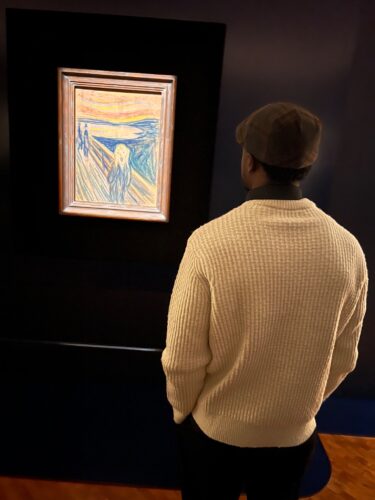
There’s a rare kind of player in the game of life, one who doesn’t rush ahead or pretend not to care. They watch. They listen. They learn. These are The Builders.
From early on, they knew something was coming. Even during the tutorial, those childhood years of play and relative freedom, they understood that life wasn’t going to stay that easy forever. While others laughed without worry or lost themselves in distractions, The Builders were observing silently and patiently. They are sometimes guilty of “Taking life a little too serious“. They weren’t perfect, and they didn’t avoid all mistakes, but they paid attention. Every misstep became a lesson. Every win, a window into how the game worked.
They didn’t just play life; they studied it. They noticed how adults behaved, how consequences unfolded, how emotions shaped choices. They asked questions others were too scared to ask. They learned the difference between being smart and being wise. Between acting grown and actually growing. People admire Builders for how composed they are, and often assume they have everything figured out. But that’s a common misconception. They usually don’t. What they have instead is the ability to carry uncertainty quietly, to sit with not knowing without falling apart. That stillness is what people mistake for certainty. And over time, that practice becomes emotional security.
They teach us that effort compounds, that we can also create freedom through discipline, that consistency is sometimes better than talent, and that a solid foundation matters more than appearances. they teach us self-respect and that boundaries are also important in life.
Takeaway: Even builders can become slaves to the process, preparation can become fear, too much thinking can be interpreted as hesitation and as we have learned from the sprinter’s, there is no such thing as the perfect time, so waiting for it, becomes another way of standing still. so builders most learn not to replace living with preparation, but to trust themselves enough to press START
Conclusion
In this game of life, we don’t all start the same way or play the same way. Some of us are Wanderers, caught in the bliss of the tutorial, unaware that time was moving forward. Some of us are Sprinters, desperate to win before understanding what the game was really about. And some are Builders, quietly preparing while the world rushed past them.
But no matter where you find yourself, whether you’re behind, ahead, or somewhere in between there’s one truth that connects us all: we can still choose how the game ends.
The Wanderer can still learn structure, the Sprinter can still discover patience, and the Builder spontaneity. Because at the end of the day, it’s not about being perfect. It’s about being aware. It’s about playing with purpose. And the beauty of that? Purpose is subjective, which means it’s always open to change.
And remember, no matter how broken, confused, or behind we feel, WE’RE STILL IN THE GAME