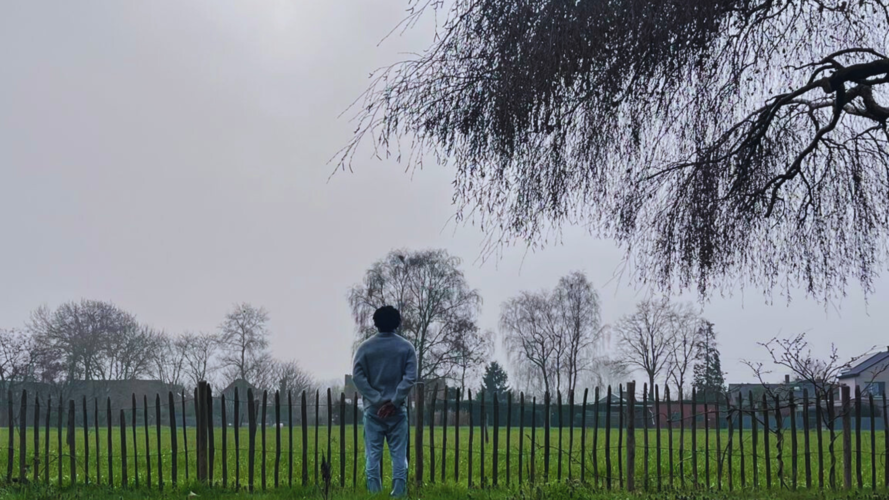
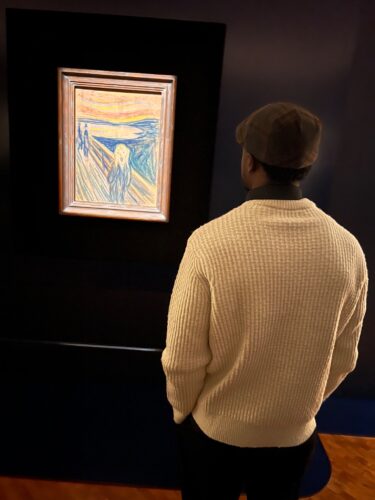
I was walking to work the other day when a thought suddenly crossed my mind:
“We are who we are, and deep down we do know who we are. Yet who we are often seems not to matter, because we are told who we are by those who do not truly know us. They arrive at their conclusions not through understanding, but through appearance. Call it judgment at sight.”
Judgment, after all, comes naturally to us. We are quick with it, sometimes without even realizing it. We judge people based on their skin color, their accent, their tone of speech, or anything that feels unfamiliar or outside what we consider “normal.”
But the question that keeps returning to me is: how often are we judged purely by appearance? Psychology tells us: very often.
As humans, we form first impressions within seconds, sometimes in less than a second, based almost entirely on visual information. Before a person speaks, before their skills or intentions are known, the brain has already started assigning traits: competent or not, trustworthy or suspicious, familiar or foreign. These judgments happen automatically and unconsciously. And in many ways, this is not a moral failure, it is simply human nature.
We tend to believe we can determine personality, intelligence, and social value based on appearance alone. There is even a name for this tendency: the “attractiveness halo effect” the idea that people we perceive as attractive are automatically assumed to possess more positive traits, even when no evidence supports that belief.
In other words, what we look like often speaks louder than what we know.
And on the rare occasion that you manage to pass all the tests society places on you, when you speak well, have the expected accent, the right tone, the right manners, judgment does not necessarily stop. Appearance still finds a way in.
It would be dishonest to say that judging people based on appearance serves no purpose at all. That would be a lie. It does help us sometimes. It is a survival instinct, one that once helped humans make quick decisions in dangerous environments. But what once helped us survive is now quietly harming us socially.
We live in a world far more complex than the one our instincts were built for, yet we still rely on the same shortcuts. And those shortcuts shape opportunities, relationships, and outcomes in ways we rarely stop to question.
This is what I mean by the weight of appearance.
It is the invisible pressure of being seen before being known.
The quiet burden of having to overperform just to be considered equal.
The exhaustion of realizing that no matter how prepared you are, perception may still arrive before understanding.
When we understand that judgment at sight is not just personal, but psychological, not just emotional, but structural, We begin to separate our worth from other people’s projections. We begin to understand that being misjudged does not mean being insufficient. More often, it means being misunderstood within a system that values appearance over depth. We are who we are. And deep down, we do know who we are.
The tragedy is not that people judge. The tragedy is when those judgments are allowed to define truth, limit opportunity, or silence complexity. Until we learn to slow down our perceptions and question our instincts, many will continue to be seen not for who they are, but for how they appear.
And that is the real weight we carry.